How to Choose the Right Camel Desert Safari in Dubai
Choosing a Camel Desert Safari Dubai experience is less about picking the first appealing photo and more about matching the trip to your time, comfort level and plans. Desert outings can vary widely in pace, setting, group size and extras, so a little comparison before you book makes the day far easier to enjoy. Start with the basics, then narrow the choice by what matters most to you.
Start with the kind of day you want
Before comparing names or packages, decide what role the camel ride should play. Some people want a short camel experience as one part of a wider desert outing. Others want the camel ride to be the main focus, with a slower pace and more time in the desert. That distinction changes what you should look for.
If you only want a brief ride, look for an itinerary that clearly lists the camel segment alongside other activities. If the ride itself matters most, check whether the experience gives enough time for mounting, a steady walk and photos without feeling rushed. A short walk can still be memorable, but it should be described clearly enough that you know what to expect.
Also think about the mood of the day. A family outing may call for gentle timing, shade and clear meeting points. A solo traveller may care more about a small group and a calm route. A couple may want a quieter setting and a schedule that leaves room for sunset. Camel Desert Safari Dubai is a broad search term, so use it as a starting point rather than a final decision.
Set your date, timing and free time first
Timing shapes the whole experience. Desert conditions change through the day, and the same activity can feel very different in cooler hours than in the middle of the day. When you have a date in mind, check what time the outing begins, how long it lasts and when you are likely to return.
Leave a buffer before and after the activity. Desert travel takes planning, and you do not want to arrange a tight dinner booking or onward commitment without allowing for delays. Ask whether the start time is fixed or within a window, and whether arrival instructions are sent in advance. A clear schedule is often a sign that the day has been thought through.
Sunset is popular for a reason, but it is not automatically the best choice for every visitor. If you prefer brighter light for photos, an earlier slot may suit you better. If you want softer temperatures and a more atmospheric setting, a later slot may be preferable. Match the timing to your priorities instead of following the default.
Read the itinerary line by line
A good itinerary tells you what happens in order. Look for specifics: arrival and check in, the camel ride, any desert drive, stops for photos, meals or refreshments, entertainment, and the return. If a listing says only "desert safari with camel ride," there is too little detail to judge whether it suits you.
Pay attention to words that sound impressive but do not explain much. Terms like "full experience" or "premium adventure" mean little on their own. Useful wording says what is included, how long each part lasts and whether activities are optional. If some parts are weather dependent or subject to availability, that should be stated plainly.
Check whether the camel ride is private, shared or part of a queue. A shared experience can be perfectly fine, especially for a first visit, but it changes the feel of the day. If you are comparing several options, make a simple note of what each one includes. This keeps the decision grounded in facts rather than marketing language.
Sites such as cameldesertsafaridubai.com can be useful for understanding how one provider presents the activity, but compare the actual details rather than relying on the overall look of a page. Clear descriptions, practical information and direct answers matter more than polished wording.
Check the camel experience itself
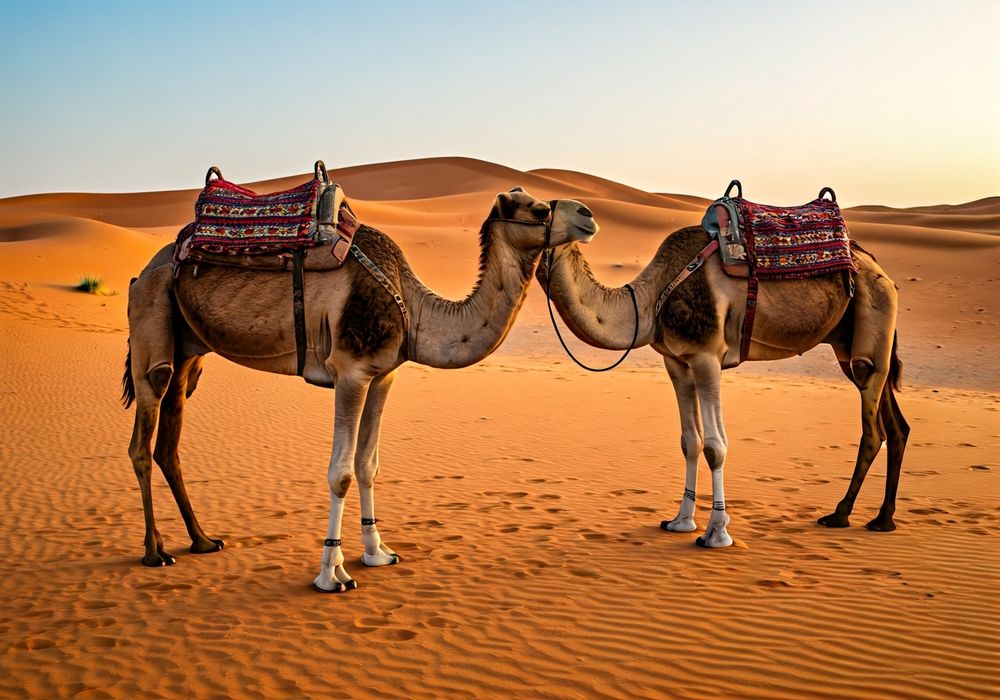
The camel portion deserves close attention because it is the reason many people choose this type of outing. Find out whether the ride is a short seated experience or a longer route. Ask about the route surface, whether there are stops, and whether riders are led by hand. These details affect both comfort and confidence.
Think about physical suitability. Camel riding involves mounting and dismounting, balance and time in the saddle. Visitors with back problems, joint issues, balance concerns or limited mobility should check whether the activity can be adapted or whether a different desert activity would be more comfortable. It is better to ask before booking than to feel pressured on the day.
Clothing also matters. Loose, comfortable clothing works well in warm conditions, and secure footwear is sensible around sand and animal areas. Sun protection is useful even when the light feels soft. If you are unsure what to wear, look for guidance from the provider and use ordinary desert travel sense: cover your skin, protect your eyes and carry water where allowed.
Compare group size and atmosphere
Group size changes the experience more than many visitors expect. A larger group can feel lively and social, while a smaller one may feel calmer and more personal. Neither is automatically better. The right choice depends on whether you want energy, quiet, privacy or room for children to settle in.
If you are travelling with young children, check whether the outing is described as family friendly and whether there are age or height limits for camel riding. If you want a quieter experience, ask whether the ride is shared with strangers and whether the schedule includes loud music or crowded stops. A day in the desert can feel very different when the group matches your expectations.
When comparing options, avoid assuming that a higher level of comfort is guaranteed by vague labels. Look for concrete details. Seating arrangements, vehicle type, shaded waiting areas and clear instructions can tell you more than a broad promise of luxury or adventure.
Look at safety and practical rules
Safety information should be easy to find and easy to understand. Check whether helmets are offered, how riders are briefed and what happens if someone feels uncomfortable before or during the ride. A responsible operator will be clear about who can take part and what riders should do during mounting, riding and dismounting.
Ask about insurance only in general terms if it matters to you, and read the answer carefully. The key point is to understand what is covered and what is not, without assuming that every activity is treated the same. If the answer is unclear, pause before booking.
Weather can affect the day. In extreme heat, strong wind or poor visibility, sensible adjustments may be needed. A provider that explains weather related changes in advance is easier to plan with than one that leaves everything vague. Keep your own schedule flexible enough to handle a change.
Understand what is included and what is not
Inclusions are where confusion often begins. Check whether the price covers transport to and from your meeting point, entry to any site, the camel ride, meals, drinks, entertainment and photo opportunities. Equally, check what is excluded. Extra charges may apply for certain activities, private rides or optional extras.
Do not rely on images alone. Photos can show a highlight without revealing whether it is part of the standard outing or an add on. Read the written list and compare it with any questions you ask. If something matters to you, such as a vegetarian meal, a quiet riding route or time for photos, confirm it before you commit.
Camel Desert Safari Dubai can refer to several styles of outing, so two options with similar names may deliver very different days. A clear inclusion list helps you compare them fairly. This is also where cameldesertsafaridubai.com may help as a reference point for how details are presented, while the final choice should still rest on the full itinerary and your own needs.
Read reviews with a careful eye
Reviews can reveal patterns that a polished description misses. Look for repeated comments about organisation, clarity of instructions, waiting times, group flow and how the camel ride felt. Repeated details are more useful than one glowing or angry review.
At the same time, treat reviews as context rather than proof. People value different things. One visitor may enjoy a busy group, while another may find it tiring. Focus on comments that relate to your priorities. If several reviews mention unclear meeting details or rushed timing, note that. If they mention calm handling of the animals and clear briefings, that may matter more to you.
Check recent feedback where possible, because operations can change. Look for responses that address practical issues rather than repeating the same sales phrases. A balanced review gives you a better sense of the day than a perfect score alone.
Ask the questions that settle the choice
Once you have a shortlist, ask a few direct questions before booking. Keep them simple and specific, so the answers can be compared across options.
- What exactly happens during the camel ride, and how long is it?
- Is the ride shared, private, or dependent on group size?
- What are the start time, meeting point and expected return time?
- Which parts of the itinerary are included, and which are optional?
- What happens if weather affects the outing?
The way a question is answered can be as useful as the answer itself. Clear, direct replies make planning easier. Evasive or overly broad replies suggest that important details may be settled later, which is not ideal when you are trying to choose calmly.
Make the final comparison on fit
By this stage, the decision should be about fit rather than hype. Compare the shortlisted options against the day you actually want: timing, pace, group size, comfort, inclusions and clarity. If one option gives you a clear itinerary, sensible safety information and a camel ride that matches your expectations, it is likely to be a stronger choice than one with a flashy description and vague answers.
Do not rush the last step. Recheck the meeting point, what to bring, clothing, cancellation terms and any limits that apply to riders. Keep written confirmation of what you booked. When the practical details are settled, the experience itself is much easier to enjoy.
A well chosen camel outing is not simply the one that looks best in a photograph. It is the one that fits your schedule, treats the camel ride as a clear part of the day and gives you enough information to arrive prepared. Use the steps above in order, and the choice becomes straightforward rather than guesswork.